proklamace snivců / proclamation of the dreamers
kronika snivců 1992 / chronicle of dreamers 1992
„Když snivec snění odsunul stranou všechno, co jej „zaměstnávalo“ a zaplňovalo každodenní život, když je pak vskutku autorem své samoty, když konečně může rozjímat nad nějakým krásným rysem světa a nemusí se ohlížet na čas, pocítí tento snivec bytí, které se v něm otevírá. Náhle je takový snivec snivcem světa. On se otevírá ke světu a svět se otevírá k němu. Člověk nikdy neviděl svět správně, pokud nesnil o tom, co vidí. Ve snění samoty, které umocňuje samotu snivce, se spojují dvě hloubky, odrážejí se v ozvěnách, které jdou z hloubky bytí světa do hloubi bytosti snivce. Čas je pozastaven. Čas již nemá včera a nemá zítra. Čas je pohlcen ve dvojí hloubce snivce a světa. Svět je tak vznešený, že se v něm již nic neděje: Svět spočívá ve své pokojnosti.“
Gaston Bachelard – Poetika snění
„When the dreamer of dreams has pushed aside all that has „occupied“ him and filled his daily life, when he is then truly the author of his solitude, when he can finally contemplate some beautiful feature of the world without having to look back at time, this dreamer feels the being that opens up within him. Suddenly such a dreamer is the dreamer of the world. He opens to the world and the world opens to him. One has never seen the world properly unless one has dreamed of what one sees. In the dreaming of loneliness, which enhances the dreamer’s loneliness, two depths come together, reflected in echoes that go from the depth of the world’s being to the depth of the dreamer’s being. Time is suspended. Time no longer has a yesterday and no tomorrow. Time is absorbed in the double depth of the dreamer and the world. The world is so sublime that nothing happens in it any more: the world rests in its serenity.“
Gaston Bachelard – The Poetics of Dreaming
„Náš život jest tak zázračně utvářen, že nenalézáme jediné vteřiny bdící pozornosti bez mystických souvislostí, rad, výstrah, povzbuzení i trestů dotýkajících se přímo naší bytosti. Není sebenepatrnějšího zjevu, kteý by se nedal promítnouti do minulosti, přítomnosti nebo budoucnosti, do zákona morálního nebo do posvátných zkušeností všech velkých samotářů…“
Jaroslav Durych: Kouzelná lampa
„Our life is so miraculously shaped that we do not find a single second of alert attention without mystical connections, advice, warnings, encouragements and punishments that directly affect our being. There is not the slightest phenomenon that could not be projected into the past, present or future, into the moral law or into the sacred experiences of all great recluses…“
Jaroslav Durych: The Magic Lamp
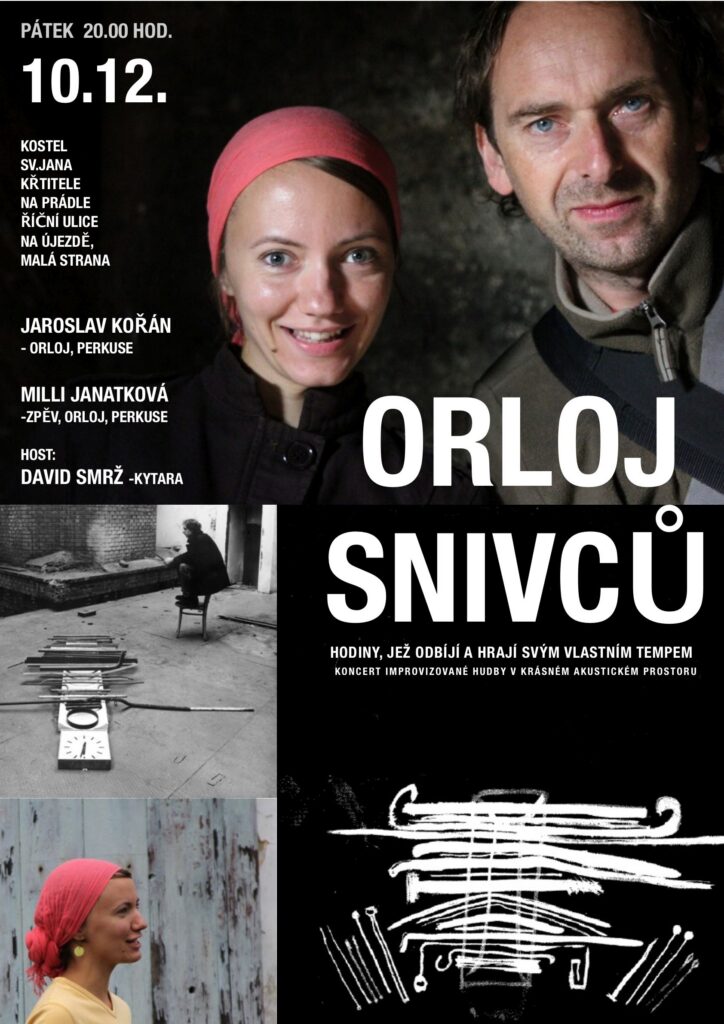
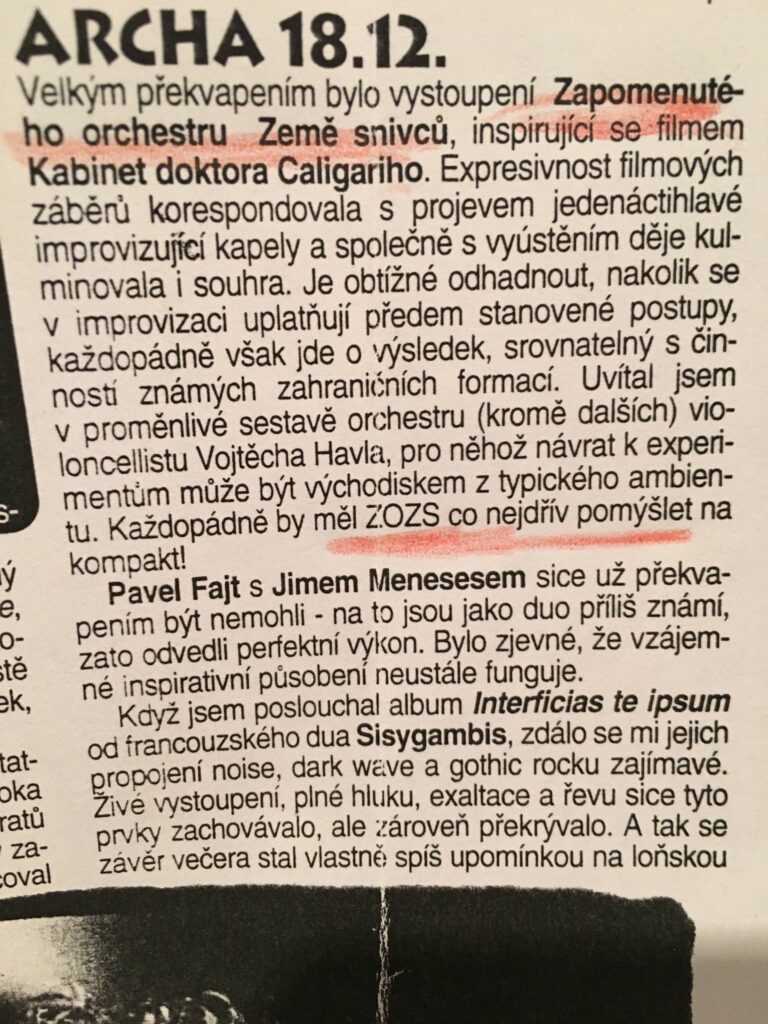
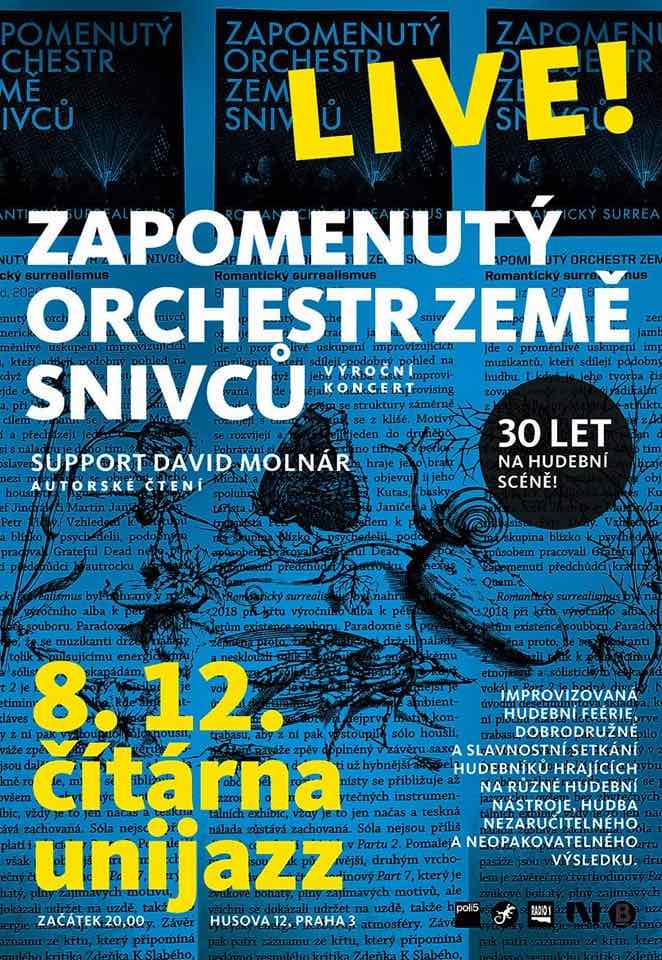
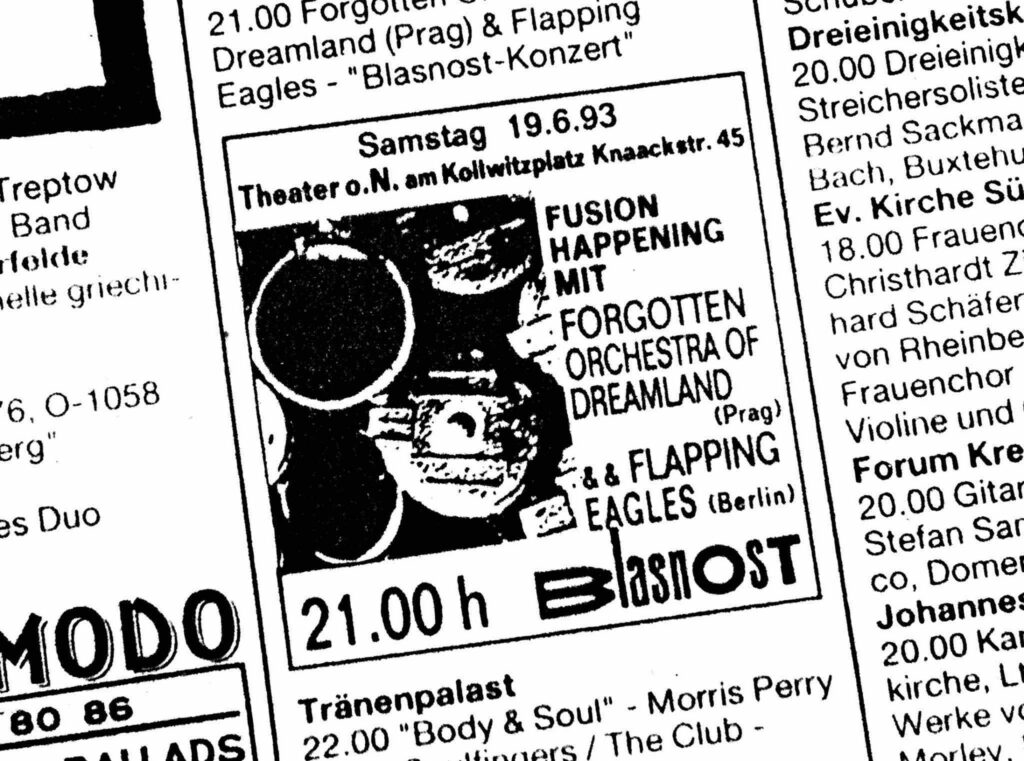
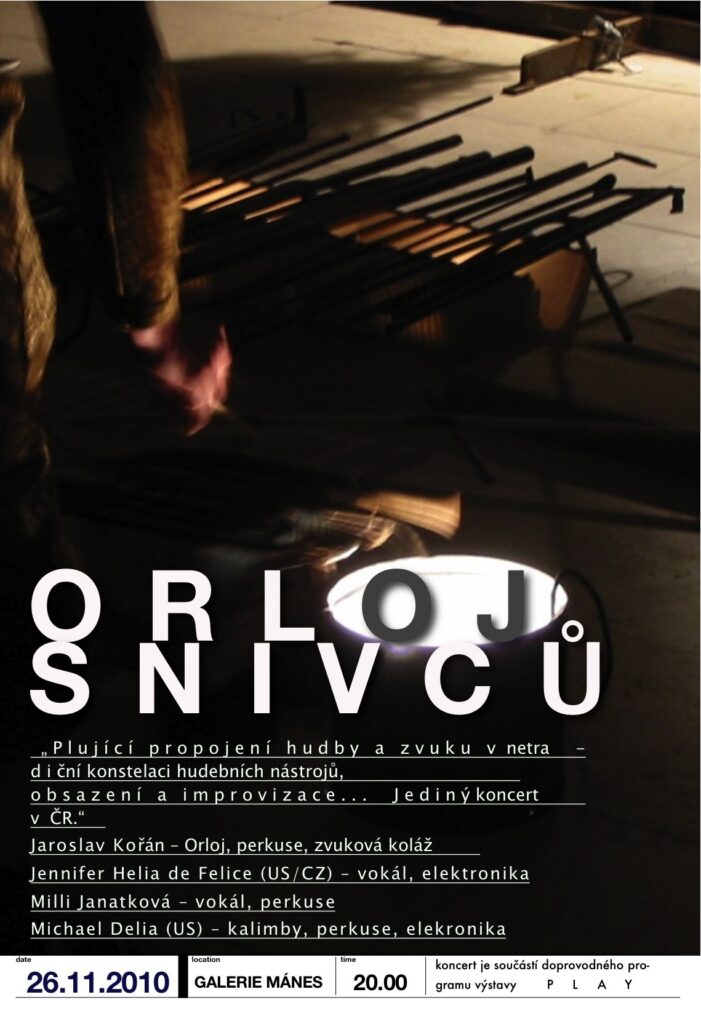
Orloj snivců a Zapomenutý orchetr země snivců

Když jsem žil ještě jako opravdový snivec, to bylo začátkem 90-tých let, chodil jsem snad denně procházkou z Pankráce, kde dodnes bydlím, přes Vyšehrad a tehdy práznou náplavku na Malou Stranu a končil jsem často na Petříně na jedné, dnes bohužel zmizelé, lavičce u zahradnického domku pod kaplí Jezulátka.
Vymýšlel jsem právě dvě hudební uskupení a přemýšlel nad jejich názvy. V jednom z těch dní se mi na té lavičce oba ty názvy vynořily najednou. Koukal jsem na Prahu a bylo to. Z “Šumavského cinkálu” - z primitivního hudebního nástroje složeného ze starých všude možně vynořených železných tyčí - byly v tu ránu hodiny, které si jdou rychle tak jak se jim zrovna zachce. Ta druhá, větší skupina, byla zatím jen vizí volné improvizované hudby nespoutané žádným hudebním stylem a už vůbec ne vizí a nároky nějakého skladatele. Chtěl jsem, aby si to muzicírování všichni hráči mohli užít stejně a aby to vymýšleli společně… (tak bláhový jsem tehdy byl).
Koukal jsem na tu Prahu a vzpomněl jsem si na Kubínovu knihu Země snivců, která se v originále jmenuje “Die andere Seite”a uvědomil si tu grotesknost Čech a Čechů, koukaje shůry na pražské věže. Země snivců je romantický název, avšak v souvislosti s obsahem knihy dává smysl zcela jiný. Tato Kubínova kniha je podle mého především o Čechách a Češích. Jsou to jacísi snílci, snoubí se zde opravdová romantika se zastydlou jakoby patafyzickou bláhovostí a až zlou zabedněností. Od této chvíle začaly existovat dvě kapely, založené stejnými hudebníky (já, brácha Michal a klavírista Marek Šebelka)…
2020  Jaroslav Kořán
The Astronomical Clock of Dreamers (The Horologe of Dreamers) and the Forgotten Orchestra of the Dreamers‘ Land (The Forgotten Orchestra of Dreamers / F.O.O.D.
When I was still a real dreamer, it was the beginning of the 90s, I would walk every day from Pankrác, where I still live, through Vyšehrad and the then empty embankment to Mala Strana, and I would often end up on Petřín Hill on a bench, which has unfortunately disappeared today, by the gardener’s house under the Infant Jesus Chapel.
I was inventing two musical groups and thinking about their names. One of those days, both names came to me on that bench at once. I was looking at Prague and that was it. From the „Bohemian Forest’s Clincer“ – a primitive musical instrument made of old iron rods that had surfaced everywhere – there were clocks that went as fast as they wanted. The second, larger group was for now just a vision of free improvised music unfettered by any musical style and certainly not by the vision and demands of any composer. I wanted all the players to enjoy the music making equally and to invent it together… (that’s how foolish I was back then).
I was looking at Prague and I remembered Kubín’s book The Land of Dreamers, which in the original is called “Die andere Seite” and I realized the grotesqueness of Bohemia and Czechs, looking down on the Prague towers. The Land of Dreamers is a romantic title, but in connection with the content of the book it makes a completely different sense. In my opinion, this book by Kubín is primarily about Bohemia and Czechs. They are some kind of dreamers, here true romance is combined with a shy, as if pataphysical foolishness and even evil stupidity. From this moment on, two bands began to exist, founded by the same musicians (me, my brother Michal and pianist Marek Šebelka)…
2020 Jaroslav Kořán
dojmy z koncertu Zapomenutého orchestru Země snivců, Malostranská beseda, galerie, 22.6. 2017 text Hana Hercher
(Představy ovlivněny i prostředím magických vikýřů a hraním a kouzlením Petra Nikla)
Jezero a uprostřed ostrov. Na něm sedí či stojí muzikanti a hrají. Kolem jezera posedávají posluchači, baví se, popíjejí, švitoří. V souladu s hudbou se zvedají vlny mezi ostrůvkem a břehem. Jsou uspořádané jako loukotě na kole a putují kolem dokola, občas se vzedmou až do výše domu. Z vody též vyvěrají malé gejzírky, tvoří se bublinky a stříkají vodotrysky. Náhle se celá scenérie zatočí do kornoutu a je unášena větrem pryč. Pozvolna se zase rozvine a na zvednutých okrajích podobných křídlům se začínají utvářet šiky vojáků. Ty pochodují v zástupech úhlopříčně proti sobě, takže utvoří ležatý kříž. Pochodují dál, až se spojí do kruhu. Po jeho obvodu pak bojují vždy dva soupeři proti sobě štíty a kopími. Zbraně řinčí, kopí do sebe narážejí, těla se míhají.
Vtom je slyšet hlasité troubení. Bojovníci se rozestupují a uvolňují cestu obrovskému slonu. Ten pomalu vchází do kruhu, který bojovníci opět uzavírají a začínají vyskakovat do co největší výšky, aby slona uctili. Pak tančí, prohýbají se, dělají kotrmelce, až padnou k zemi a vlní se jako červi. Pomalu zapadá slunce. Červi se vrývají pod zem, vlní se v obloucích, obracejí se čelem do kruhu, rostou a když jsou velcí jako žížaly, prošpikují vnitřek kruhu skrz naskrz, až je krásně kyprý.
Ukáže se, že slon uprostřed je samice. Zvedá se na zadní, tančí po indicku, vzpřímeně a důstojně, pohybuje ladně hlavou na všechny strany. Pak odhazuje kůži a mění se v útvar připomínající přesýpací hodiny. Ty se postupně zprůhlední a změní v řetízkový kolotoč s jemně zvonícími cingrlátky. Kolotoč se zvedá ze země, hořejšek a spodek se přibližují, až vytvoří jednu vrstvu, kolo, které se vznáší nad ostatními jako obrovský disk. Z žížal se vylíhnou blechy, které radostně vyskakují do výšky a proskakují diskem do nebe. Z vesmíru naopak padají hvězdy a propadávají v různých úhlech diskem na zem. Nakonec se okraje disku pomalu sklápějí, až vznikne kruhová střecha, která všechny přikryje. Je slyšet tichý šepot a ševelící smích.
impressions from the concert of the Forgotten Orchestra Land of Dreamers, Malostranská beseda, gallery, June 22, 2017 text Hana Hercher
(Imaginations also influenced by the environment of the magical dormers and the playing and conjuring of Petr Nikl)
A lake and an island in the middle. Musicians sit or stand on it and play. Listeners sit around the lake, having fun, drinking, chirping. In harmony with the music, waves rise between the island and the shore. They are arranged like spokes on a bicycle and travel around, sometimes rising to the height of a house. Small geysers also spring up from the water, bubbles form and fountains spray. Suddenly the whole scenery twists into a cone and is carried away by the wind. It slowly unfolds again and rows of soldiers begin to form on the raised edges, similar to wings. They march in groups diagonally opposite each other, forming a horizontal cross. They march on until they form a circle. Around its perimeter, two opponents fight each other with shields and spears. Weapons clash, spears clash, bodies flash.
At that moment, a loud trumpet blast is heard. The warriors part ways and make way for a huge elephant. It slowly enters the circle, which the warriors close again and begin to jump as high as possible to honor the elephant. Then they dance, bend, do somersaults until they fall to the ground and wriggle like worms. The sun slowly sets. The worms burrow underground, wriggle in arcs, turn their heads into the circle, grow, and when they are as big as earthworms, they pierce the inside of the circle through and through, until it is beautifully plump.
It turns out that the elephant in the middle is a female. It rises on its hind legs, dances Indian style, upright and dignified, gracefully moving its head in all directions. Then it sheds its skin and transforms into a formation resembling an hourglass. This gradually becomes transparent and turns into a chain carousel with gently ringing bells. The carousel rises from the ground, the top and bottom come closer until they form one layer, a wheel that floats above the others like a huge disk. Fleas hatch from the earthworms, which joyfully jump high and jump through the disk into the sky. On the other hand, stars fall from space and fall through the disk to the ground at different angles. Finally, the edges of the disk slowly fold down until a circular roof forms, covering everyone. A quiet whisper and rustling laughter can be heard.
dojmy z koncertu Zapomenutého orchestru Země snivců, Kafe Husovka, 25.5. 2025 , text Hana Hercher
Do původně klidného lesa se žene bouřka. Dešťové kapky stékají po listech, vítr ohýbá stromy a se skučením se prodírá větvemi. Když se konečně přežene, vše pomalu ztichne. Na palouku uprostřed lesa zpívá jemným hlasem víla. Ze země si pomalu prorážejí cestu bublinky vody, které postupně rostou a stávají se tryskajícími pramínky. Víla mezi nimi radostně tančí ve slunečních paprscích, které probleskují mezi kmeny. Jeden z pramínků vyrůstá zvlášť vysoko, až vílu přeroste. Dají se spolu do vířivého tance, ale pramínek se pozvolna mění v ostří nože a stává se útočným. Víla se s obavami vzdálí a posadí se do mechu. Nůž hlasitým povykem svolává muže do boje. Poté je vede přes les směrem k blízké vesnici, aby na ni zaútočili. Odhodlaní muži s hřmotem pochodují. Uprostřed louky před vesnicí se najednou otevřou nebesa a v nich se zjeví Panna Marie. Ptá se mužů, proč na tu vesnici táhnou, jaký to má smysl, jaký mají důvod. Svými otázkami je znejistí, muži jsou zaražení. Poslouchají její hlas a jejich bojovnost postupně chladne. Namísto útoku začínají tančit rituální tanec k oslavě Boha. Po jeho skončení v kruhu znaveni usínají a louka kolem ožívá nočním životem. Přicházejí srny, poskakují zajíci, pobíhá drobná zvěř. Posléze pohyb ustává a nebe se znovu otvírá. Z něho k mužům sestupují dívky, obcházejí je, se zájmem si je prohlížejí a nakonec si k nim lehají, hladí je a líbají. Muži se probouzí a ty dívky objímají. Bitevní pole se změní v něžnou milostnou scénu. Nakonec všichni šťastně usínají.
impressions from the concert of the Forgotten Orchestra of the Land of Dreams, Kafe Husovka, May 25, 2025, text by Hana Hercher
A storm is sweeping through the originally peaceful forest. Raindrops run down the leaves, the wind bends the trees and howls through the branches. When it finally passes, everything slowly falls silent. In a clearing in the middle of the forest, a fairy sings in a soft voice. Bubbles of water slowly make their way from the ground, gradually growing and becoming gushing streams. The fairy dances joyfully among them in the sun’s rays that flash between the trunks. One of the streams grows especially high, until it outgrows the fairy. They start a whirlwind dance together, but the stream gradually turns into a knife blade and becomes aggressive. The fairy moves away with apprehension and sits in the moss. The knife calls the men to battle with a loud shout. Then she leads them through the forest towards a nearby village to attack it. Determined men march with a roar. In the middle of the meadow in front of the village, the heavens suddenly open and the Virgin Mary appears in them. She asks the men why they are marching on the village, what is the point of it, what is their reason. Her questions make them uncertain, the men are taken aback. They listen to her voice and their fighting spirit gradually cools down. Instead of attacking, they begin to dance a ritual dance to glorify God. After it ends, they fall asleep in a circle, exhausted, and the meadow around them comes alive with night life. Deer come, hares jump, and small animals run around. Finally, the movement stops and the sky opens again. From it, girls descend to the men, walk around them, look at them with interest, and finally lie down next to them, caress them and kiss them. The men wake up and embrace the girls. The battlefield turns into a tender love scene. Finally, everyone falls asleep happily.